Email marketing is still one of the most effective digital channels. But inboxes are crowded, and sending the same message to everyone just doesn’t work anymore. The campaigns that actually get results today are built on data, real insights that help you send the right message to the right person at the right time.
What is Data-Driven Email Marketing?
It’s pretty much what it sounds like: using data to make better decisions about your emails.
That means tracking what your customers do, grouping them by behavior or interest, writing content that actually speaks to them, and adjusting your approach based on what’s working. Instead of sending emails into the void, you’re sending emails with a purpose.
Why Data is Crucial in (Email) Marketing
You can’t improve what you don’t measure.
Sure, you can keep going on instinct, but that’s a gamble. When you look at your data, you start to see patterns. What gets people to open, what gets them to click, and what makes them unsubscribe. That knowledge is what helps you stop wasting effort and start getting real results.
We know marketers are busy. But skipping the data doesn’t make it less relevant. It just means your competitors are getting smarter while you’re standing still.
Where to Find the Right Data
Now that we’ve established what data-driven email marketing is and why it’s important, let’s explore its foundation: your data sources. Where can you find the right data to drive your strategy?
A solid email strategy pulls from more than one source. Here are the main ones worth your attention:
1. Google Analytics 4 (GA4): The Big Picture
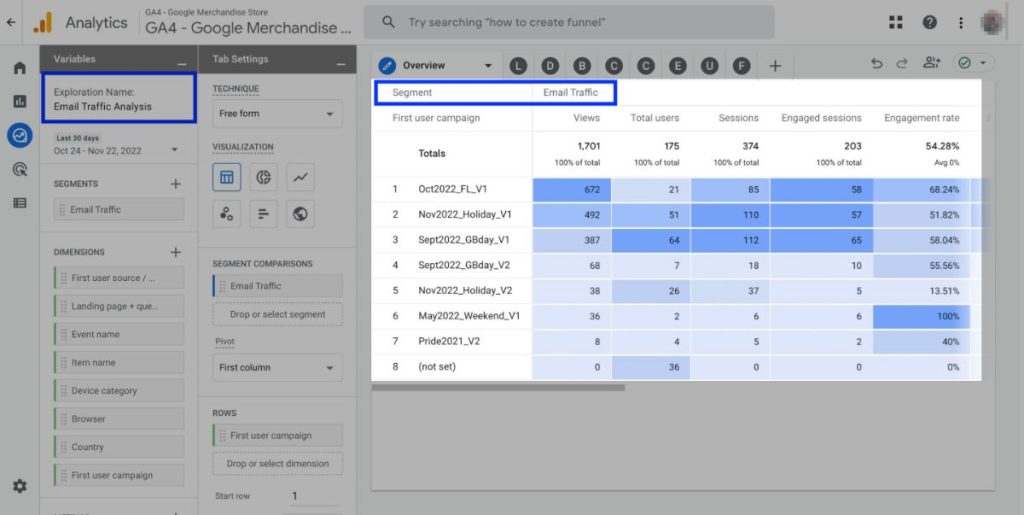
GA4 shows you what happens after someone clicks your email. Did they stick around? Did they buy something? Did they leave immediately?
What you’ll want to (and should) keep an eye on in GA4:
- See how email traffic interacts with your site (track visits, users, sessions, and engagement rate).
- Measure conversions and revenue to understand which emails drive results.
- Identify where users drop off, so you can adjust your email content or landing pages.
2. Email Marketing Platforms: The Frontline Data Source
Your next data source: email marketing platforms. Tools like Mailchimp and Klaviyo give you the inside scoop on how your campaigns are really performing.
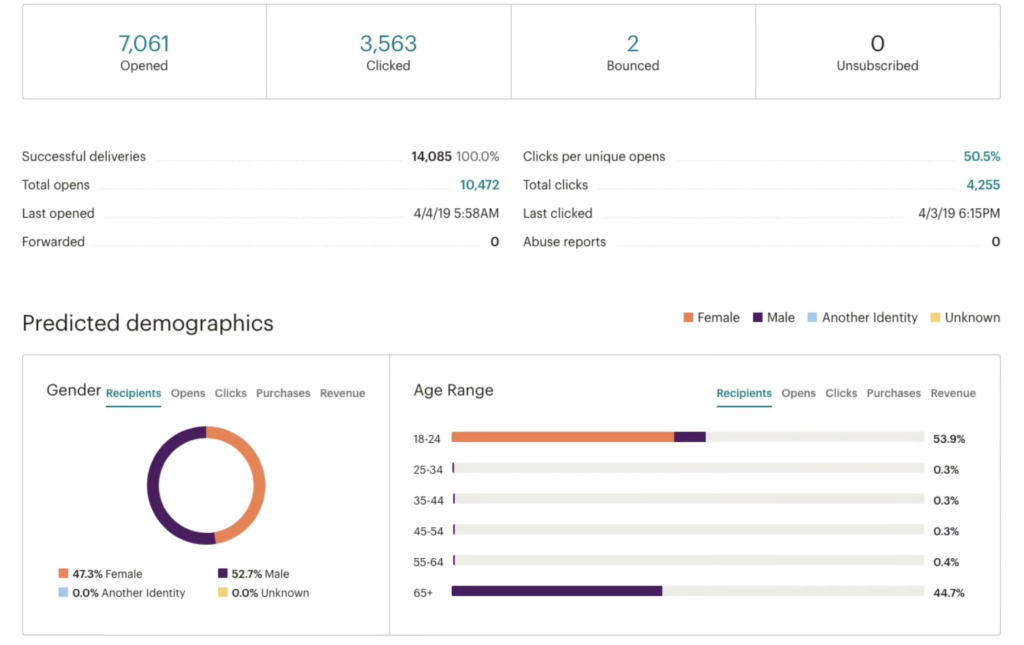
- Track key metrics: open rates, click-through rates, and unsubscribes.
- A/B test subject lines, content, and send times to see what works best.
- Segment audiences based on engagement (who opens, who clicks, who ignores) to improve targeting.
- Use automation insights to refine follow-ups and build stronger customer relationships.
How to Implement Data-Driven Email Marketing
Having data is one thing. Putting it to work is another. Here’s a straightforward way to approach it:
- Start with clear goals
What do you want this email or this campaign to accomplish? More sales? Better engagement? Fewer cart abandonments? Get specific, because vague goals lead to vague results. Your data sources can help you set targets that are grounded in reality, not wishful thinking.
- Segment your audience
Your customers aren’t all in the same place or looking for the same thing. Divide them by purchase history, browsing behavior, location, or whatever makes sense for your business. Platforms like Mailchimp, HubSpot, and Klaviyo make this straightforward. Once your segments are set up, you can send messages that actually feel relevant.
- Collect and understand your data
Your data holds the key to understanding your customers. Take advantage of GA4 for tracking how users interact with your website, and combine that with data from your email marketing platform to see how people are engaging with your emails. Track metrics such as open rates, click-through rates, and even customer lifetime value to get a complete picture of your audience’s behavior. This data will show you how your audience behaves.
- Write for the person, not the list
Use what you’ve learned. Recommend products based on what someone already bought. Send a discount to someone who keeps browsing but never checks out. Mailchimp, for example, lets you pull in dynamic content automatically based on customer data, so this doesn’t have to be a manual process.
- Check what happened and adjust
After each send, look at the numbers. Are people opening? Clicking? Converting? Are you hitting the goals you set? Don’t just send and forget. This is where you learn what’s actually working.
- Keep testing and refining
Data-driven marketing is all about continuous improvement. Try different subject lines. Send at different times. Switch up your layout. Most email platforms have built-in A/B testing, so you can run experiments without a lot of extra effort. Over time, the small improvements add up.
- Scale once you have a handle on it
When you’ve figured out what works, look for ways to do more of it. Add more segments, track more touchpoints in GA4, and build out your automations. Growth comes easier when you’re not guessing.
Data Overload : Overcoming This Common Challenge
Too much data can be just as paralyzing as too little. When you’re staring at dozens of metrics, it’s easy to lose the thread.

Instead of trying to track everything, zoom in on the metrics that drive action. Conversion rates and purchase patterns matter more than open rates alone. Build a simple dashboard around the numbers that tell you whether you’re moving in the right direction, and leave the rest for later.
Are You Making Decisions Based on Data or Just Guesswork?
Good email marketing isn’t complicated, but it does require paying attention. You need a plan, a willingness to test things, and the discipline to look at what the data is telling you.
Before you hit send on your next campaign, ask yourself honestly: is this based on what I know about my audience, or am I just hoping for the best? Because hope doesn’t drive results, but data does.
Want help putting this into practice? Get in touch and let’s talk through where to start.